
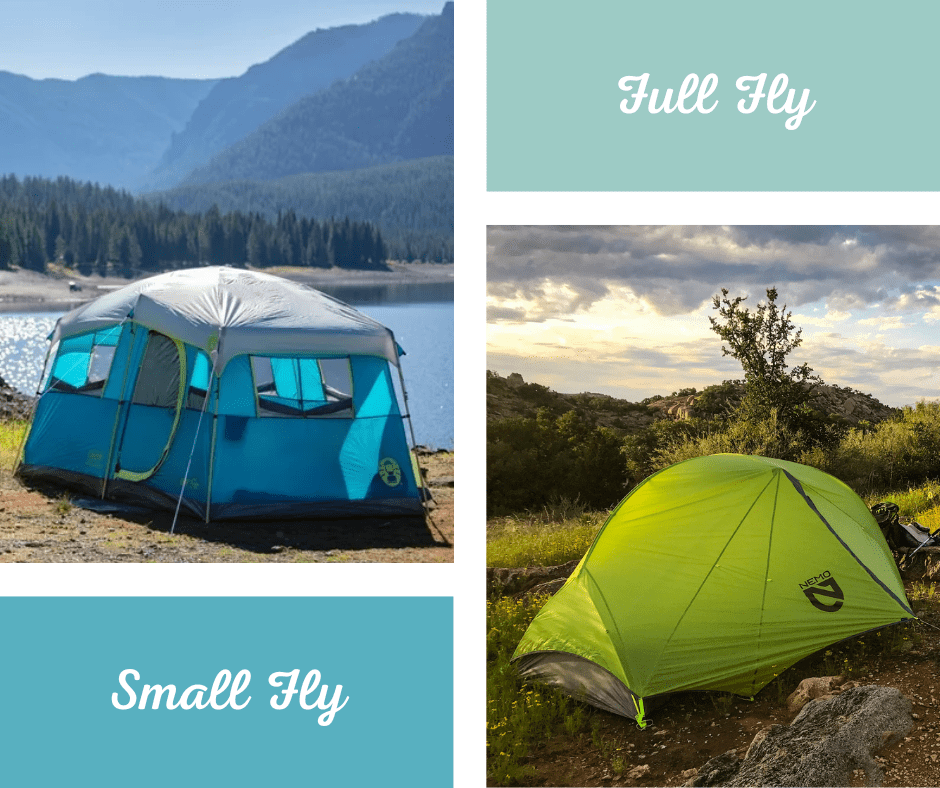
When it comes to rain flys, there’s a bit of controversy in the camping community. On one side, you have the backcountry enthusiasts who swear by tents with full-coverage rainflies that reach down to the ground. On the other side, you have those who prefer big, budget-friendly tents that can fit 6-10 people but often have smaller flys. Let’s explore why both options have their place and why it’s okay to consider little flys in the big tents for front country camping.
The Case for Full-Coverage Flys
Most backcountry folks rely on their rainfly to keep them and their gear dry. This is why they swear by flys that reach down to the ground, covering the whole tent. When you are a 3-4 day walk or paddle from civilization and a big, violent storm kicks up, your tent becomes your shelter when Mother Nature opens her skies and rages. There is no excuse for a subpar tent in the backcountry. Ideally, the vestibule should reach the ground for maximum environmental protection and gear storage, even outside the tent. A well-designed fly provides crucial coverage, ensuring you stay dry and your gear is protected.
Front Country Camping: Comfort Over Coverage
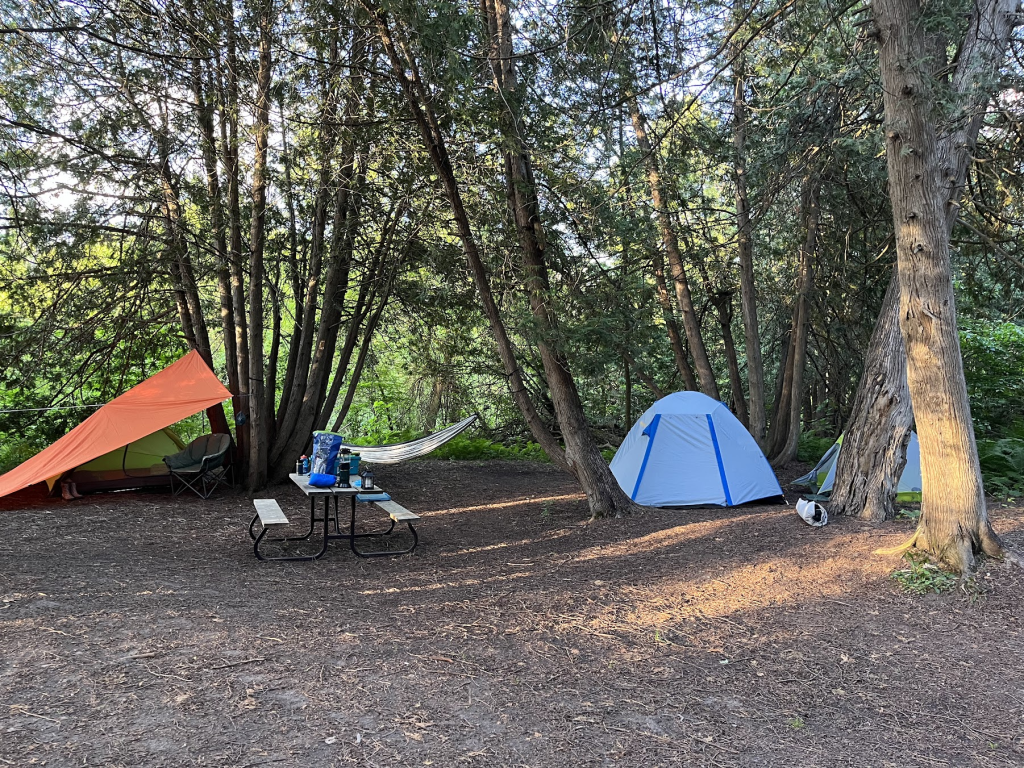
However, front country camping allows for some indulgences because we might prioritize comfort over absolute gear quality in terms of weather and durability. We might prioritize being able to stand up and walk around in the tent over a tent designed to withstand a fierce storm. Largely because we often have even better shelter around than a tent could ever be in bad weather when in the front country.
Budget-Friendly Options: Not to Be Overlooked
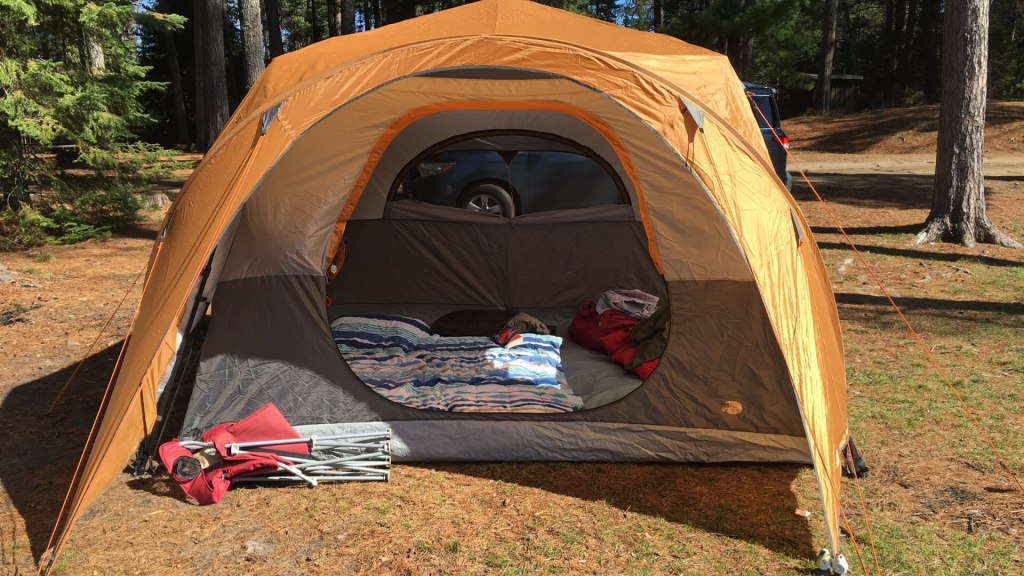
A lot of Guiders shy away from the big, budget-friendly 6-10 man tents from companies like Coleman or Woods because we are trained to think that a tent is relatively worthless if it doesn’t have a full-length fly. But if your unit does primarily front country, glamping, or comfort camping, put some of the big, budget-friendly Coleman tents on your list! Just make sure you waterproof your tents. It’s super easy, and it will give you peace of mind.
When purchasing a tent with a small fly, there are two crucial steps you absolutely must take:
- Waterproof the Tent and Fly: Ensure both the tent and the fly are properly waterproofed. A small fly provides less coverage, so applying a durable water repellent (DWR) coating and seam sealer is essential to keep moisture out and protect your tent from leaks. See our post on tent maintenance to learn how to properly waterproof your tent!
- Set Guy Lines Properly: Properly set up and adjust your guy lines. With a smaller fly, stability and tension are critical to prevent the fly from coming into contact with the tent body, which can lead to water leakage. Make sure your guy lines are securely staked out and adjusted to maintain proper tension and stability, especially in windy conditions.
What to Look for in a Good Quality Tent
When choosing a tent, here are a few key features to look for:
1. Weather Resistance: Look for a tent with a durable rainfly that provides full coverage and a bathtub-style floor to prevent water from seeping in. HOWEVER, remember that you can always inexpensively waterproof your tent and fly!
2. Ventilation: Ensure the tent has sufficient mesh panels and vents to reduce condensation and improve airflow. I prefer tents that have almost totally open mesh uppers under the fly.
3. Ease of Setup: Choose a tent that is easy to pitch and pack. Spend a moment picturing the kids in your unit setting up the tent.
4. Durability: Check for robust materials and strong seams. Reinforced corners and high-denier fabrics enhance durability.
5. Size and Weight: Consider the tent’s capacity and whether it meets your needs for space and portability. In the front country, weight isn’t much of a consideration, but size can be, depending on how you haul yourself and your gear to camp. 4 extra large tents won’t even fit into a compact car.
6. Features: Look for additional features like gear lofts, vestibules, and multiple doors for convenience and extra storage space.
The Verdict: It’s All About Context
Ultimately, the choice between a big, budget-friendly tent with a smaller fly and a backcountry tent with a full-coverage fly comes down to the type of camping you’re doing. For backcountry adventures, full coverage is a must for survival and comfort. For front country camping, where comfort and space might take precedence, those big, budget-friendly tents can be a great option.
Whatever tent you choose, remember the importance of waterproofing. It’s a simple process that can provide peace of mind, ensuring that no matter where you camp, you stay dry and comfortable.
Happy camping!
 The Guider's Guild