
Becoming really good at something means you have to solve problems along the way. Troubleshooting helps you understand how things really work, not just what you read in books. It makes you think hard to find creative solutions and builds your confidence by overcoming failures. When you troubleshoot, you get better at handling unexpected issues and keep learning new things. Plus, sharing what you learn helps others and creates useful guides. So, solving problems helps turn what you know in theory into real-world skills.
Objective:
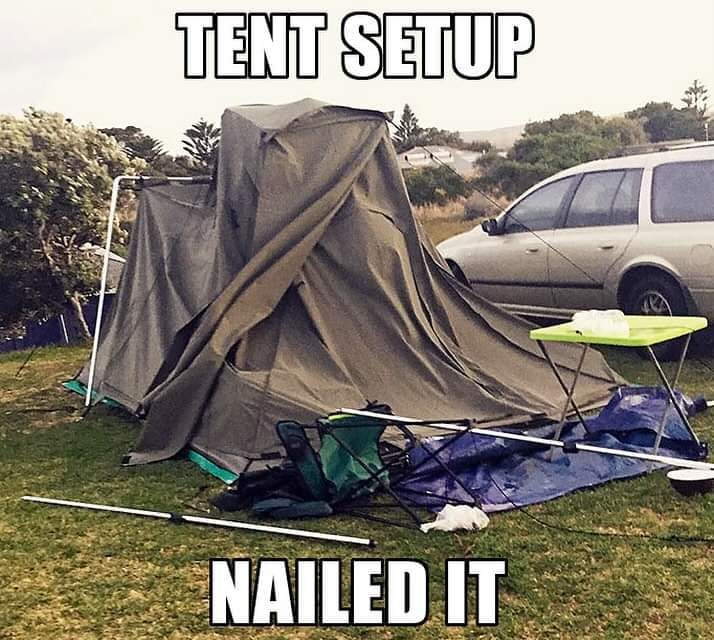
Teach youth the importance of troubleshooting and problem-solving by setting up and resolving common issues with a tent. This activity will help them understand the interconnectedness of components and the value of practical experience.

Materials Needed:
- One tent (preferably with multiple components such as poles, stakes, and rainfly)
- A checklist of common tent issues (e.g., missing poles, tangled lines, incorrect assembly)
- nstruction manual for the tent
- Notepad and pen for each team
Age Group:
Suitable for children aged Guide/Pathfinder
Group Size:
4-6 children per group
Time Required
* 1 hour
Instructions:
1. Introduction (10 minutes)
- Briefly explain the concept of troubleshooting and why it’s important.
- Discuss how experts often need to solve unexpected problems and how this activity will simulate that experience.
2. Divide into Teams (5 minutes)
- Split the children into small groups of 4-6.
- Each team will receive a tent, its components, and a notepad and pen.
3. Set Up the Scenario (5 minutes)
- Explain that each team will set up their tent, but they will encounter some problems along the way.
- Distribute the checklist of common issues to each team, but don’t tell them what issues their tent will have.
4. Begin the Activity (20 minutes)
- Each team starts setting up their tent.
- Introduce one or more of the following issues (vary them among teams):
- Missing Poles: Remove one or more poles from the set.
- Tangled Lines: Tangle the guy lines.
- Incorrect Assembly: Mix up the instructions or provide them with an incorrect sequence.
- Stakes Problem: Use some old Bent stakes so they can’t be easily used.
- Rainfly Confusion: Provide a rainfly that doesn’t seem to fit.
5. Troubleshooting Phase (15 minutes)
- Teams identify the issues and brainstorm solutions. They can refer to the instruction manual and discuss among themselves.
- Encourage them to document the problems they encounter and their solutions.
6. Solution Presentation (5 minutes per team)
- Each team presents their tent and explains the issues they faced and how they resolved them
- Discuss what they learned from the experience.
7. Reflection (10 minutes)
- Gather all teams together and discuss:
- What was the most challenging problem to solve?
- How did they feel when they encountered a problem?
- What strategies did they use to solve the problems?
- How can these skills be applied to other areas of their lives?
Wrap-Up:
- Congratulate all teams on their effort and problem-solving skills.
- Emphasize the importance of troubleshooting in developing expertise and how these skills are valuable in many real-life situations.
Notes for Leaders:
- Encouragement: Make sure to encourage all attempts at solving problems, even if they’re not successful. The goal is to learn through experience.
- Guidance: Offer hints if teams are stuck, but let them work through the problems as much as possible.
- Safety: Ensure that the activity is safe and that children are supervised, especially when handling tent poles and stakes.
This activity not only teaches practical tent setup skills but also instills a valuable lesson in troubleshooting and problem-solving, fostering resilience and adaptability in children.
More Resources
Girl Guides Platform: Tent Repair
7 Ways to Teach Children Failure is a Great Thing
How To Teach Problem-Solving Skills to Children and PreTeens
 The Guider's Guild